
2026 Arts in Healthcare Symposium
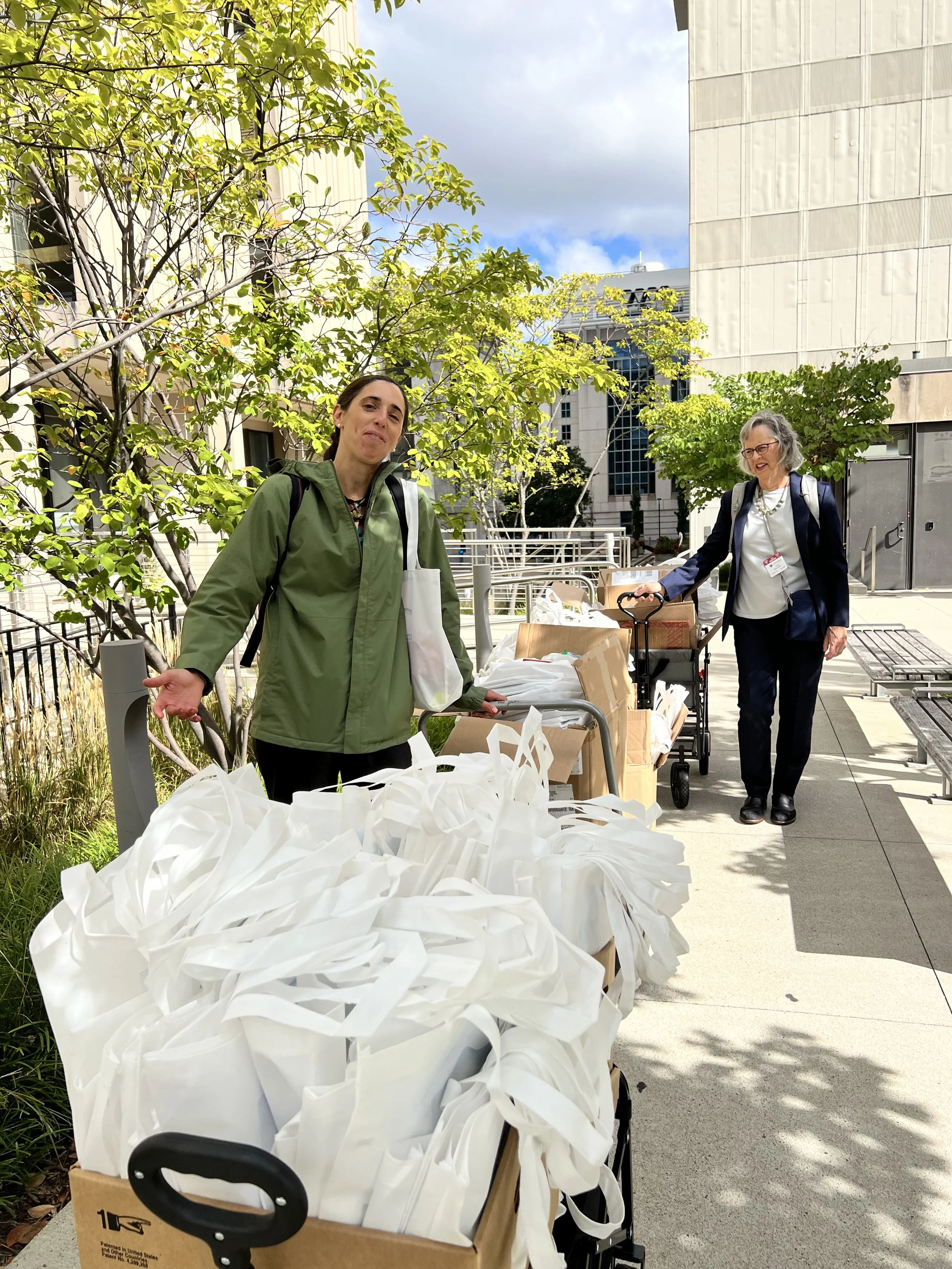
300 Tote Bags on their way to the check-in table with Symposium Committee members, Kate Milazzo and Barbara Reville
Toward the end of September, on a beautiful fall day (but with a Nor’easter in the forecast), almost 300 people gathered at Brigham & Women’s Hospital for the 2026 Arts in Healthcare Symposium: Bridging Visual Arts and Healthcare: Impact, Innovation, Research. Around 240 attended in person, and 38 joined virtually. This event brought together artists, educators, healthcare providers, academics, and others interested in the intersection of arts and healthcare. The majority of healthcare providers were physicians from over 20 specialty areas, but we were also joined by nurses, social workers, dentists, an athletic trainer, and a physician assistant.
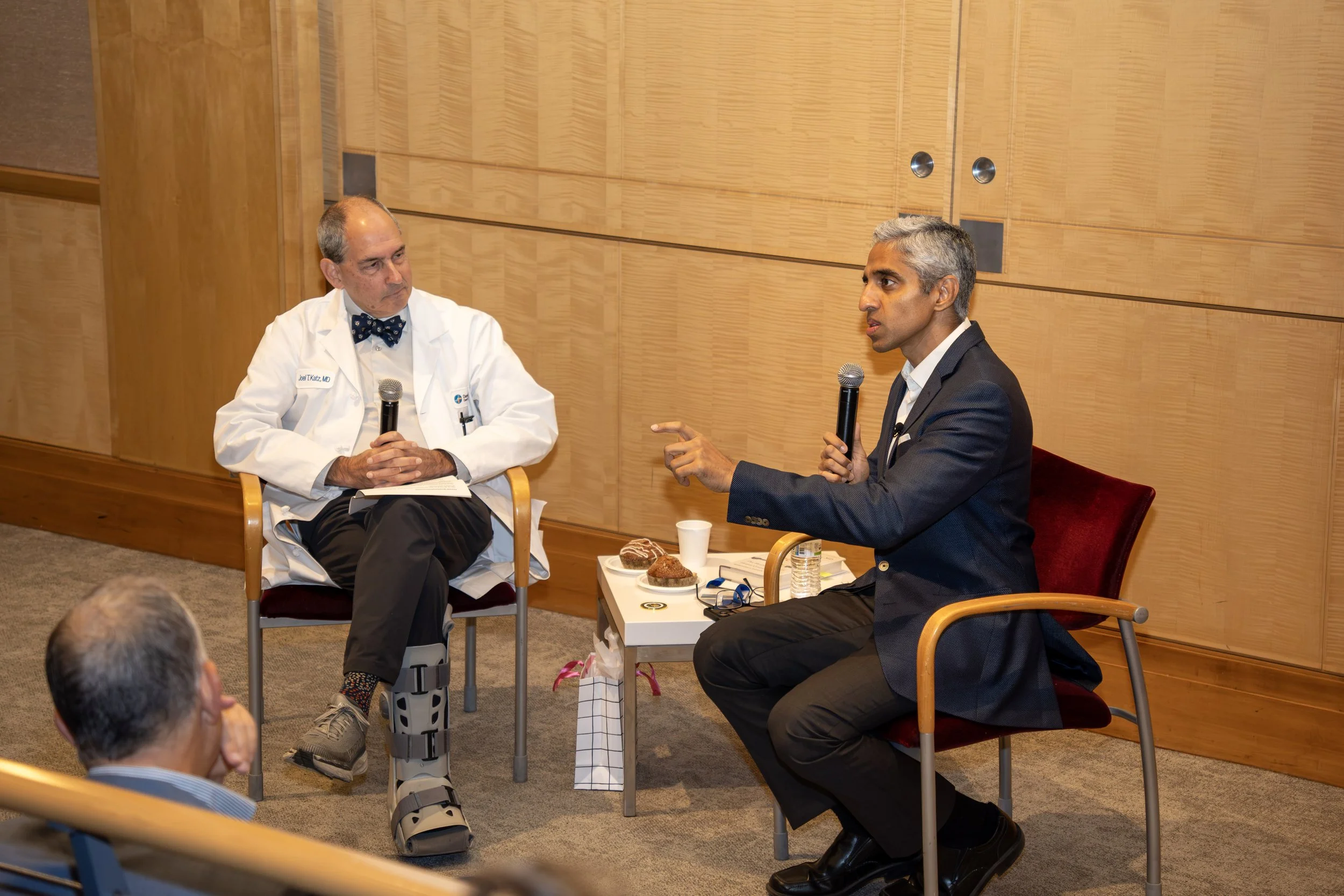
Dr. Joel Katz and Dr. Vivek Murthy
The event that we’d been planning for over two years had finally arrived. Over the next 2.5 days, attendees from the US and 14 other countries gathered to discuss research, scholarship, best practices, new partnerships and collaborations. We welcomed two inspiring keynote speakers: Daisy Fancourt, PhD, and Vivek Murthy, MD. Dr. Fancourt spoke to the research supporting the work of bringing arts into healthy living and healthcare, highlighted in her latest book, Art Cure: The Science of How the Arts Save Lives. Dr. Murthy, in a fireside chat with Dr. Joel Katz, focused on the role that arts can play in bringing people together, creating community, and alleviating loneliness. These inspiring speakers kicked off our symposium on Thursday and Friday mornings.
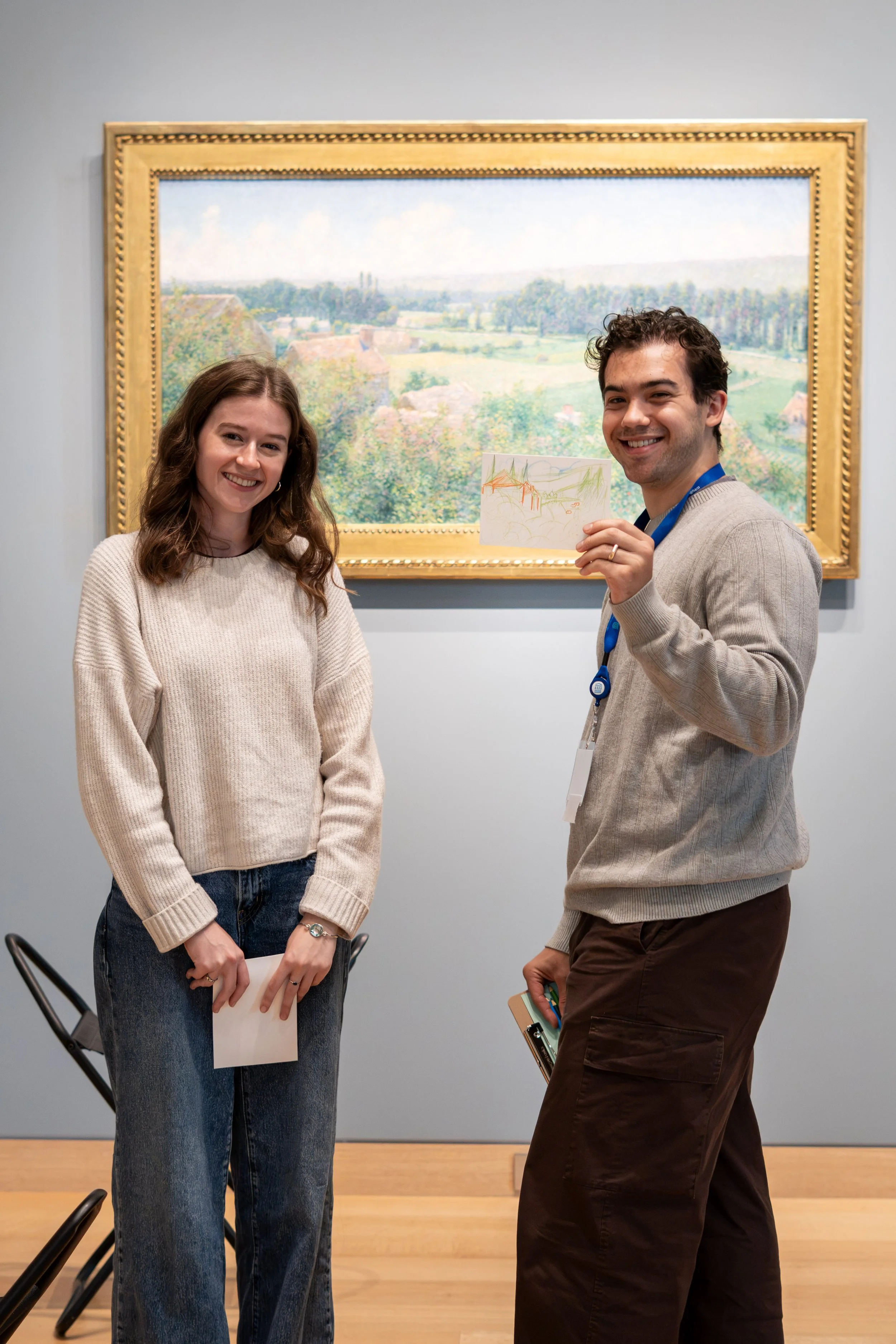
MFA Drawing Activity with HMS students
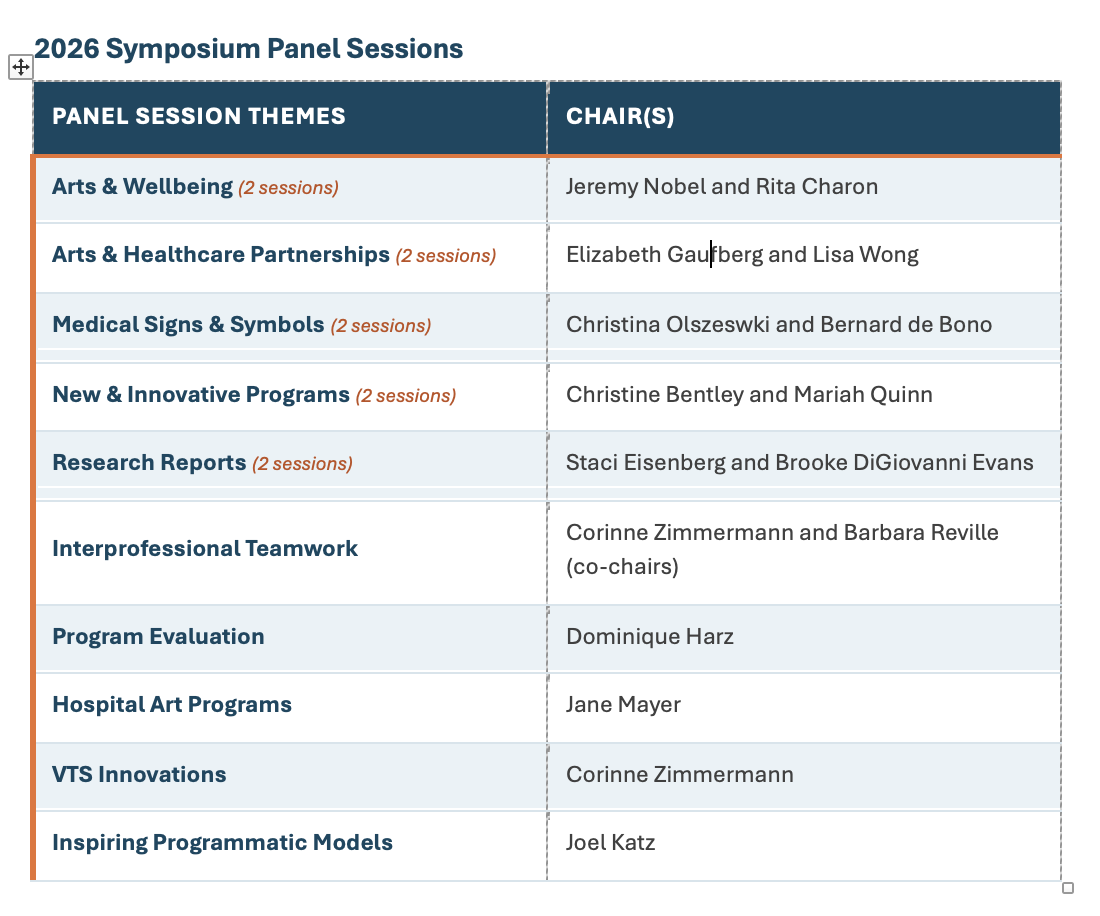
Along with the Keynotes, attendees participated in 15 themed panel discussions focusing on topics like research, innovative programs, wellbeing and interprofessional teamwork. Each afternoon there were interactive sessions at the Museum of Fine Arts, Boston, ICA/Boston, Isabella Stewart Gardner Museum, Countway Library, Harvard Art Museums and Mass Art Art Museum. These museum and library sessions led by facilitators from both arts and healthcare fields shared ideas and tools for developing arts-based activities and workshops for use in healthcare training. On one evening we held a poster session for over 30 e-poster presentations, sharing new program ideas and research.
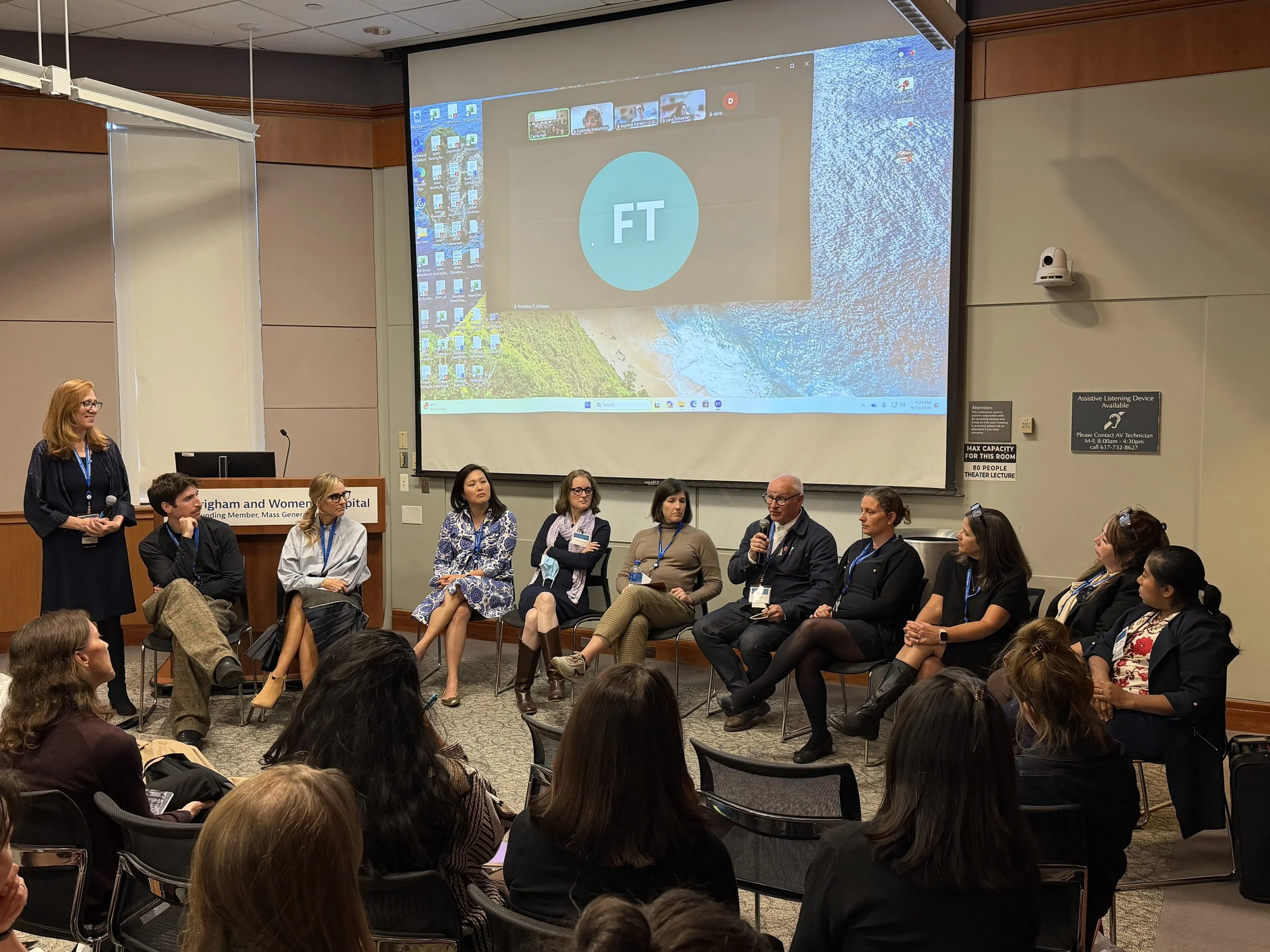
Dr. Elizabeth Gaufberg’s Panel
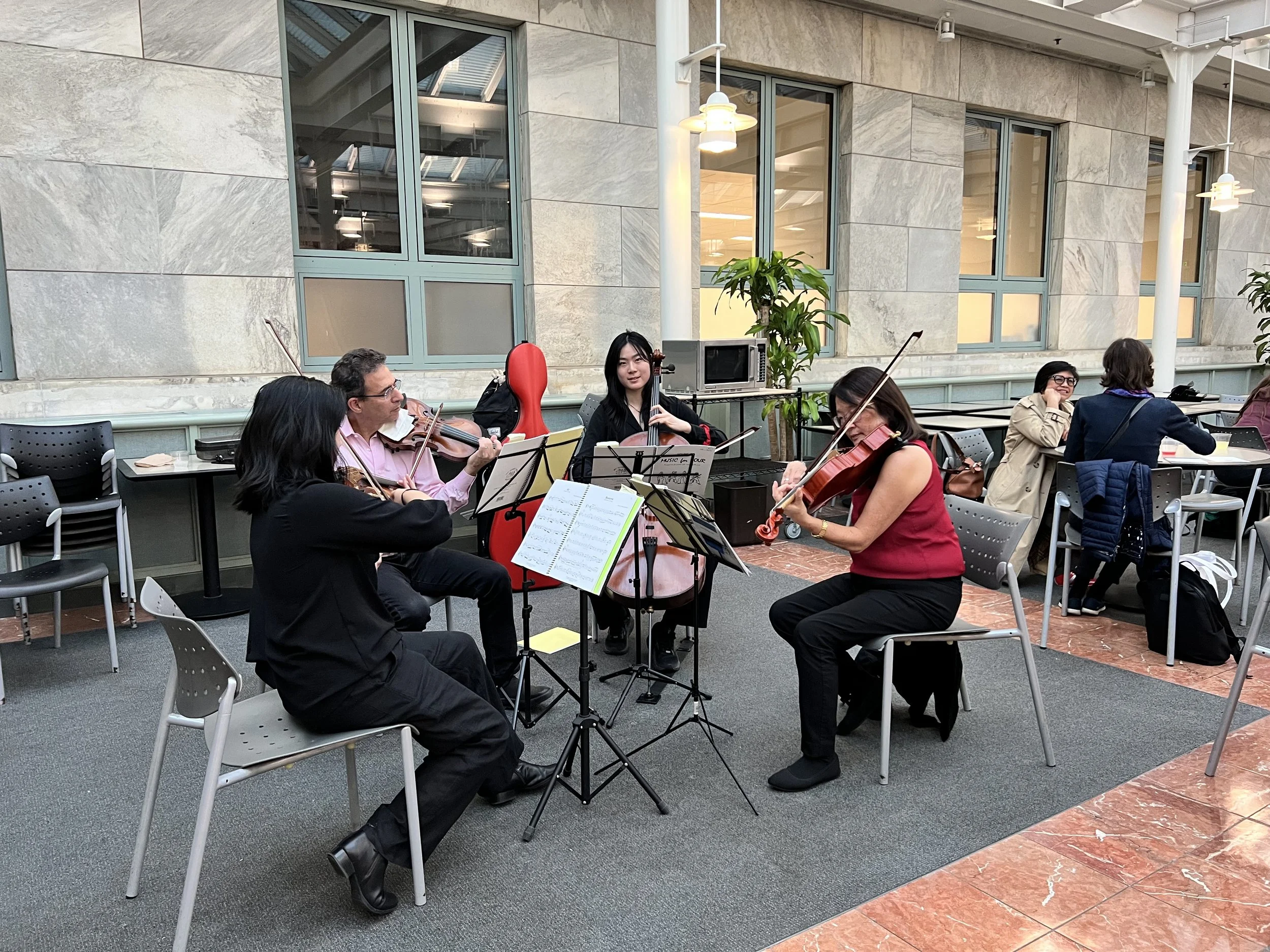
Longwood Symphony Orchestra performance
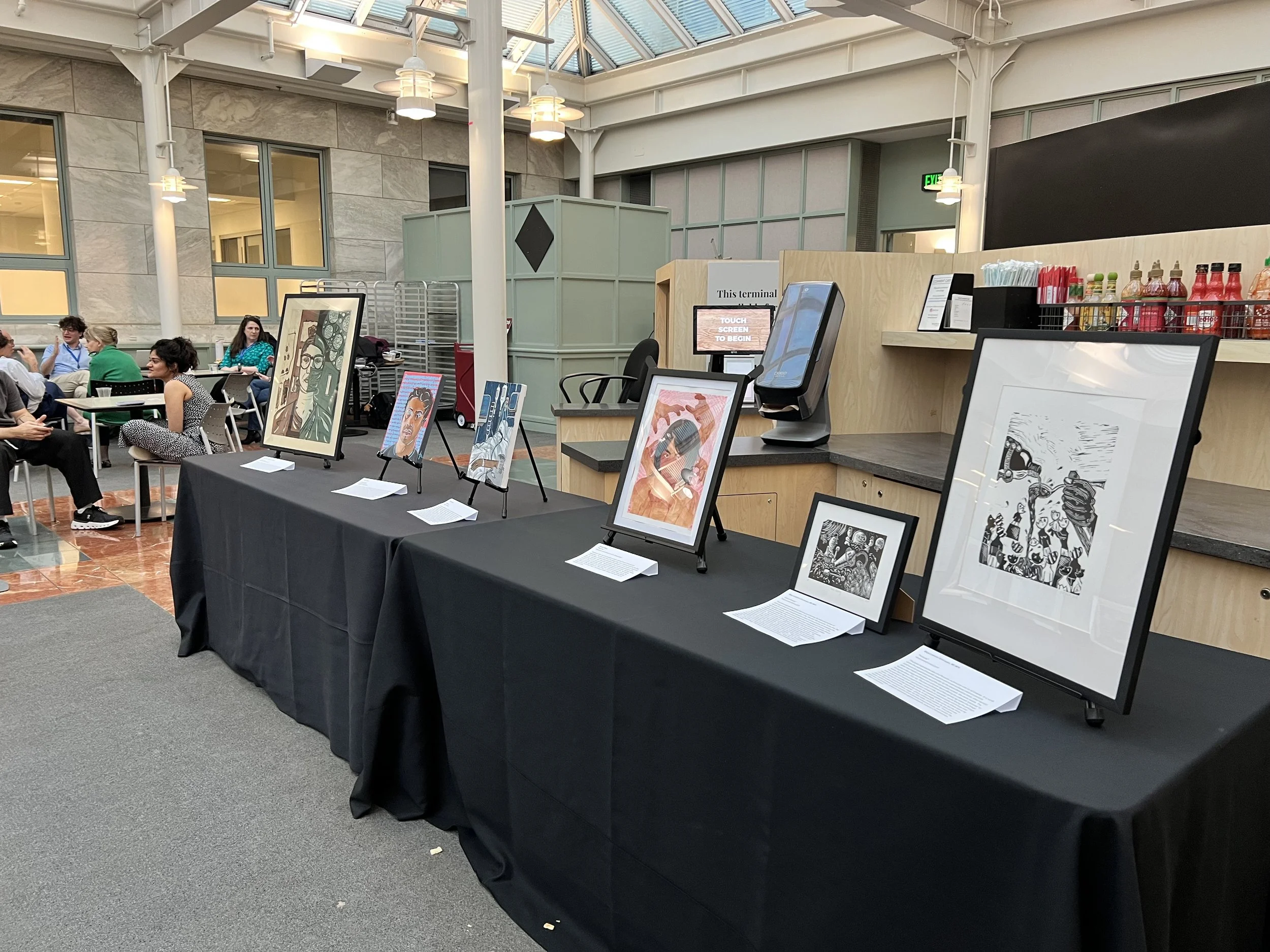
Art Exhibition
The arts were interwoven throughout the Symposium, not only through the presenters and topics shared, but we also enjoyed two performances by the Longwood Symphony Orchestra, whose mission is to: unite Boston's healthcare community by creating transformational musical experiences that heal, connect, and serve our musicians and our wider audiences. Students from the Harvard Medical School curated a juried art exhibition drawn from hospital clinicians and medical students that are also practicing artists. The exhibit included medical related themes in a variety of media. We offered drop-in art making sessions for attendees with two local artists – Samantha Sweig’s Calmware creations and Elena Li’s traditional Chinese papercutting. Documenting our Symposium sessions and keynotes was visual notetaker and local artist, Jillian King.
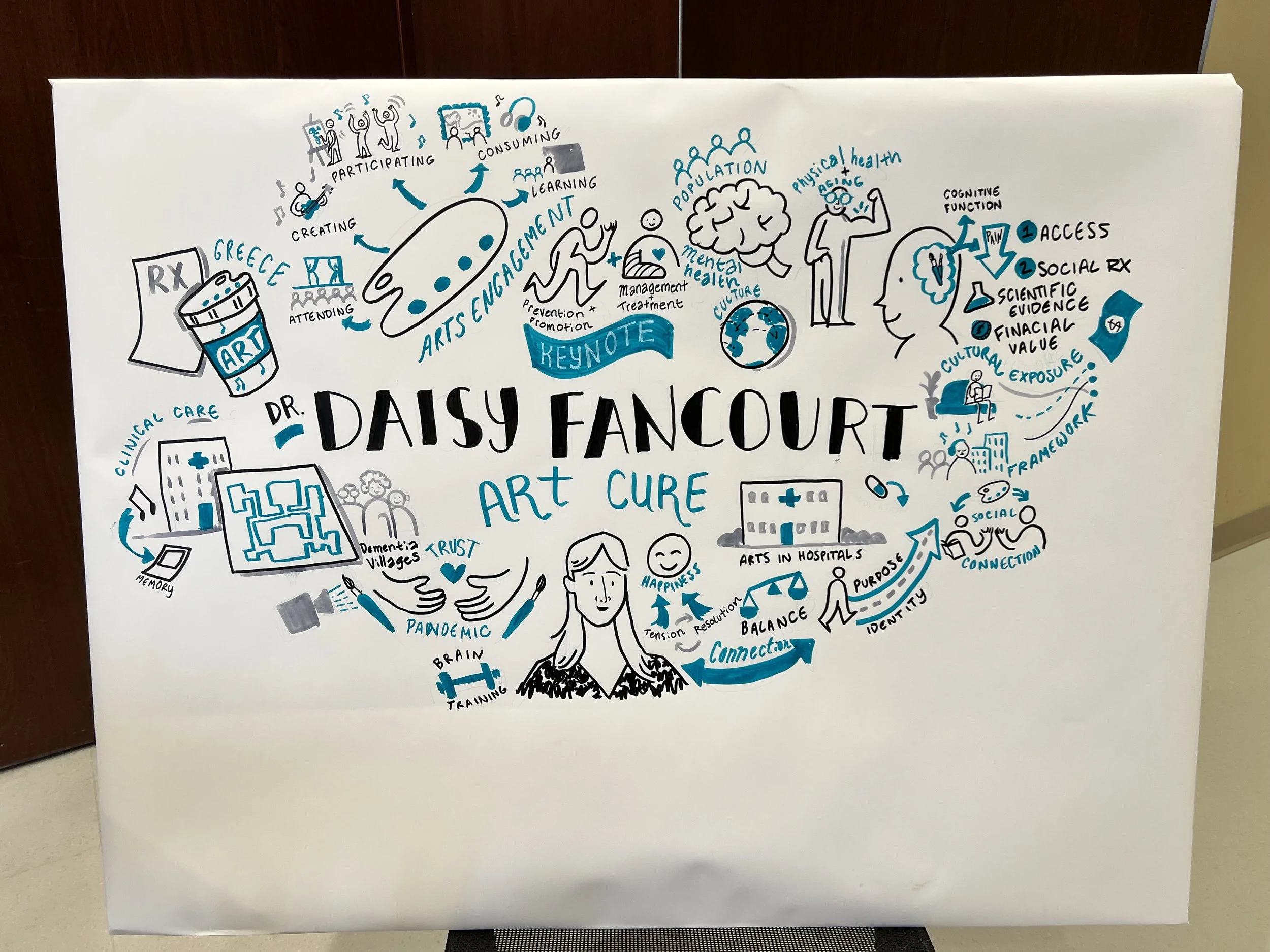
Jillian King visual notetaking for Daisy Fancourt’s Keynote
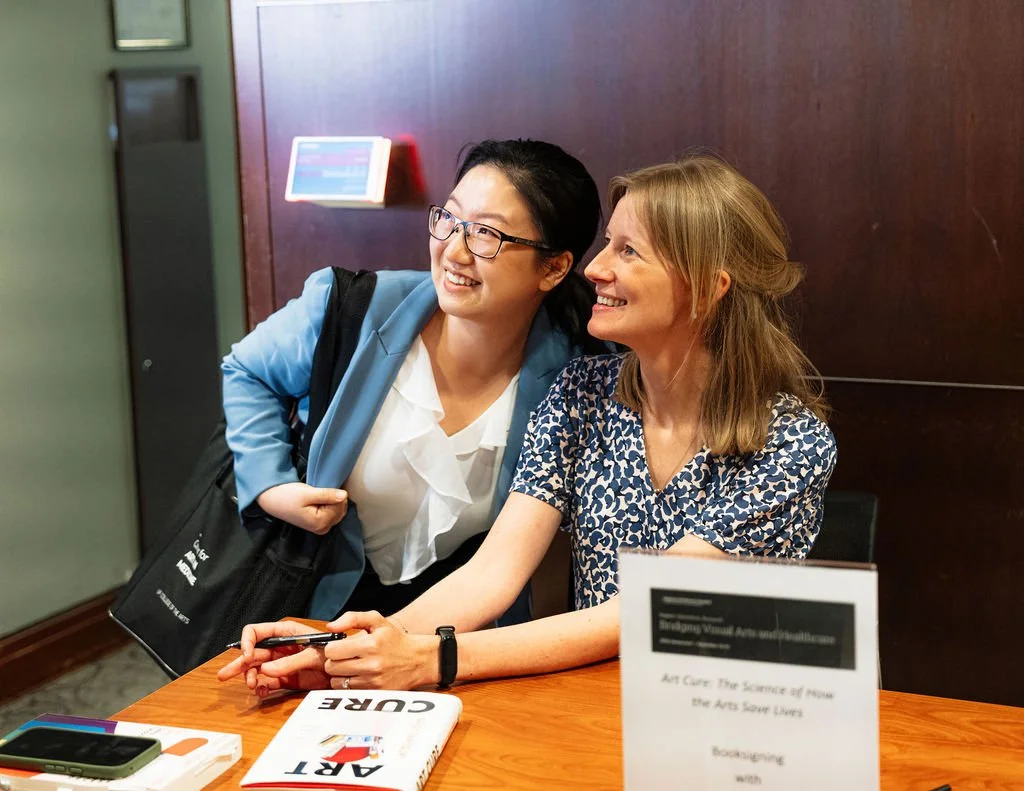
Daisy Fancourt booksigning
A palette full of color only becomes art when the colors come together. That's what last week in Boston felt like. At the Brigham and Women's Hospital Bridging Visual Arts & Healthcare symposium, people from hospitals, museums, and studios gathered around a shared belief: joy, connection, and belonging are part of how people heal. —Debra Braun
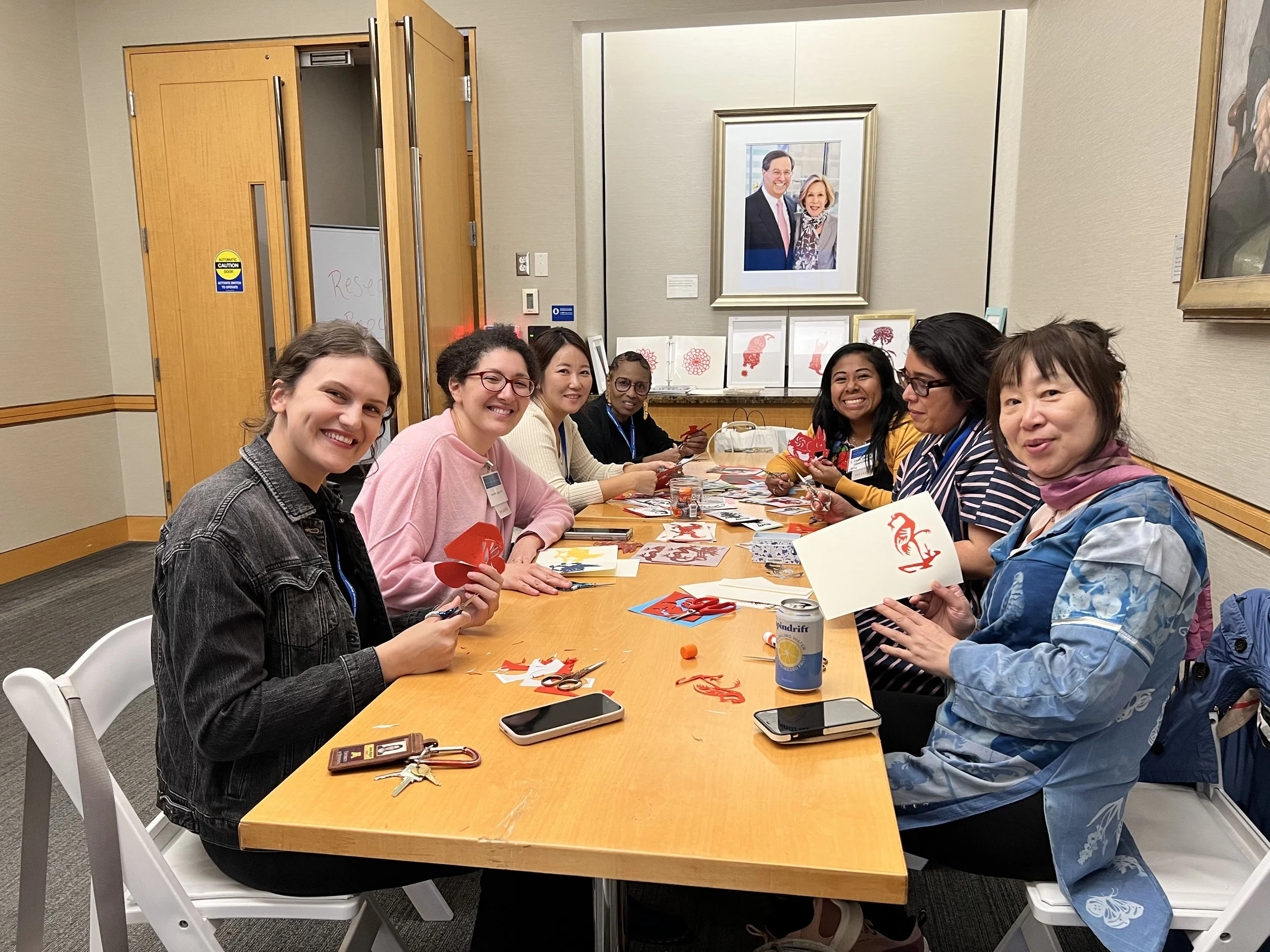
Chinese paper cutting with artist Elena Li
The three days together went by in a flash. I was reminded of all the planning that goes into a wedding and then the day is over before you know it. We hope to continue the amazing connections that were made during this event through shared resources and encouraging people to reach out to one another for extended conversations. I heard from many attendees how much they enjoyed being with people who shared their passion and perspective on the role the arts can play in healthcare. Often, they said, they were one of a small handful of people in their home institution advocating for this work. The data is clear from work like Dr. Fancourt’s, Dr. Murthy and the many presenters that joined this event that the arts can make an impact on healthcare for patients, providers and in our everyday lives. I hope participants will be inspired to create their own small or large gathering in the future to keep the momentum we experienced in Boston this Fall going.
It was so inspiring to experience the creative work and scholarship of educators from across the globe, to see growing evidence that museum-based education can strengthen learners’ observation skills, tolerance for ambiguity, reduce loneliness, support wellbeing, and much more. A highlight was hearing keynote speaker Professor Daisy Fancourt PhD, author of Art Cure, share compelling research on the many ways arts engagement can benefit our health. -Lisa Howley
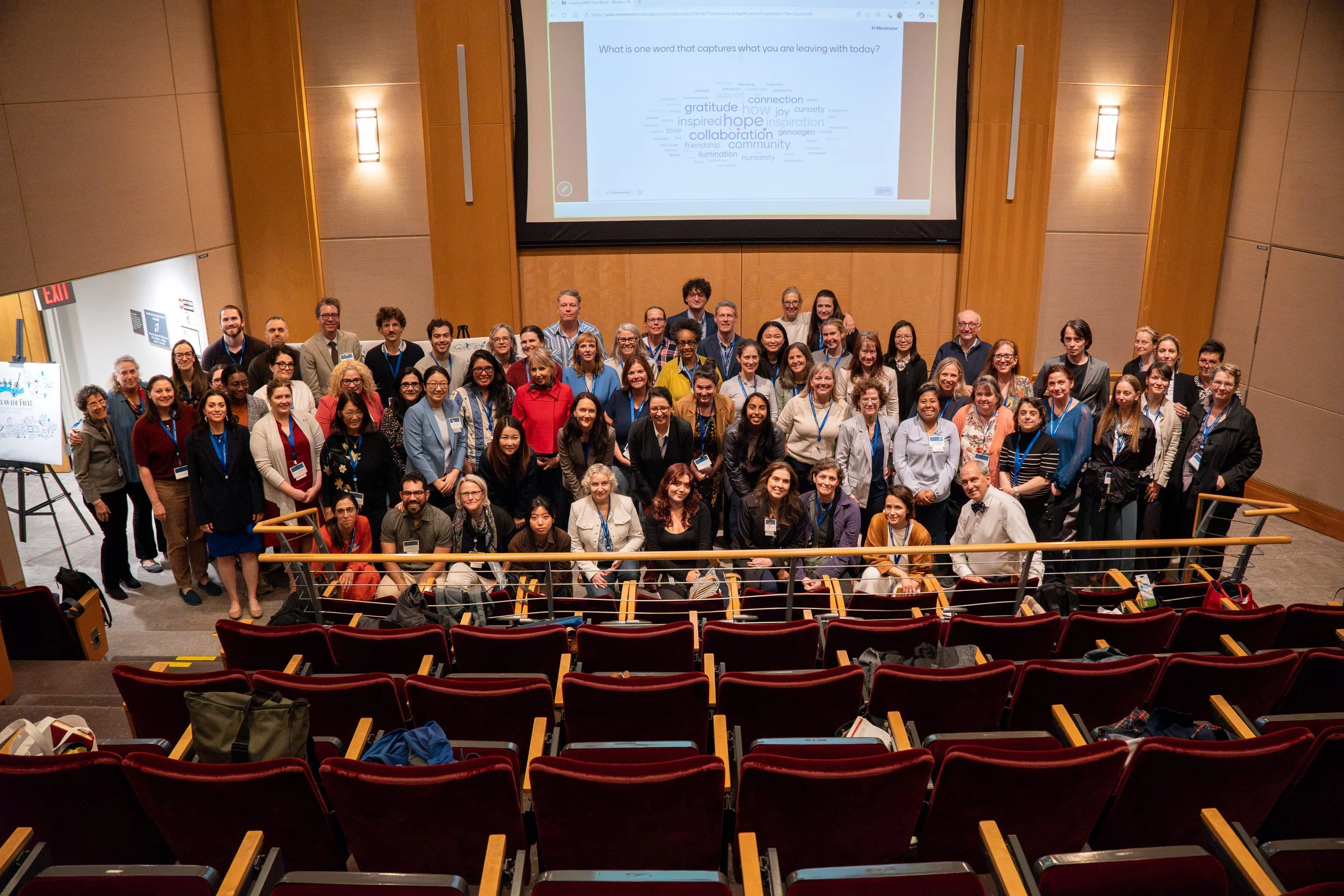
Symposium group photo on our last day
Thank you to our generous Symposium sponsors and all the people who made this event possible and to Dana Farber Cancer Institute, Harvard Medical School, Museum of Fine Arts, Boston, ICA/Boston, Isabella Stewart Gardner Museum, Harvard Art Museums and MassArt Art Museum for hosting Symposium events.
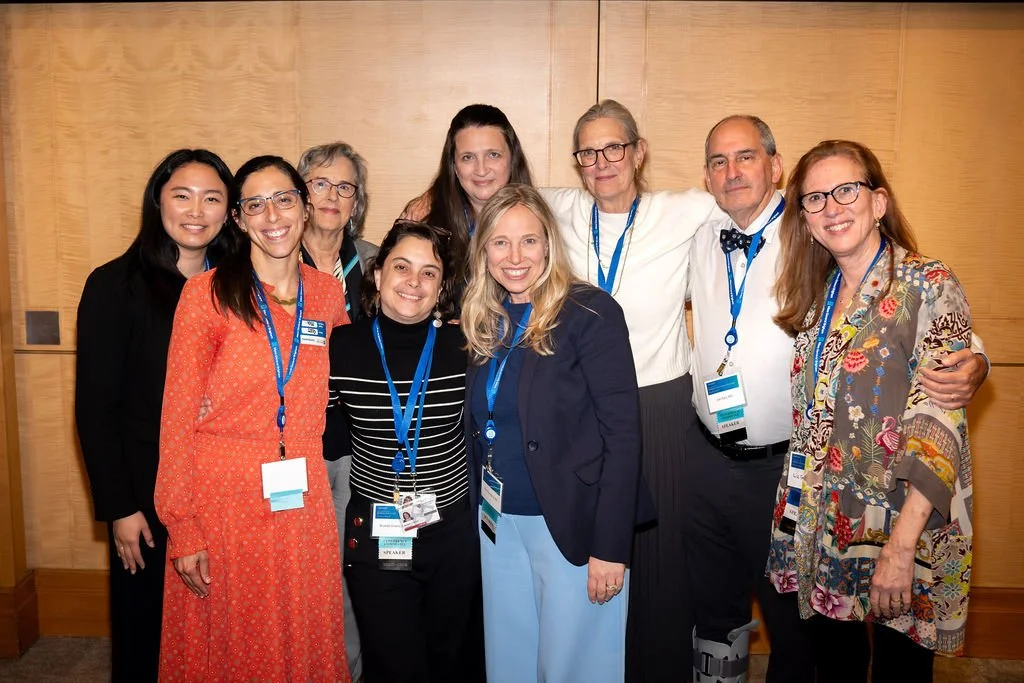
Symposium Planning Committee (L-R, Hannah Kim, Kate Milazzo, Barbara Reville, Brooke DiGiovanni Evans, Christine Bentley, Staci Eisenberg, Corinne Zimmermann, Joel Katz, Elizabeth Gaufberg)
Brooke DiGiovanni Evans
Co-chair, Symposium Planning Committee
Co-Founder and Director, Visual Arts in Healthcare Program at Brigham and Women’s Hospital