
Back in September, I had the honor of volunteering at the Bridging Visual Arts & Healthcare Symposium hosted by Brigham & Women’s Hospital in Boston. I arrived hoping to help things run smoothly and perhaps do a little networking, and I left feeling that I had found a community of my own. In a field that sits at the intersection of two disciplines not always seen as natural partners, it was very special to be surrounded by people who understood just how much art and healthcare have to offer each other.
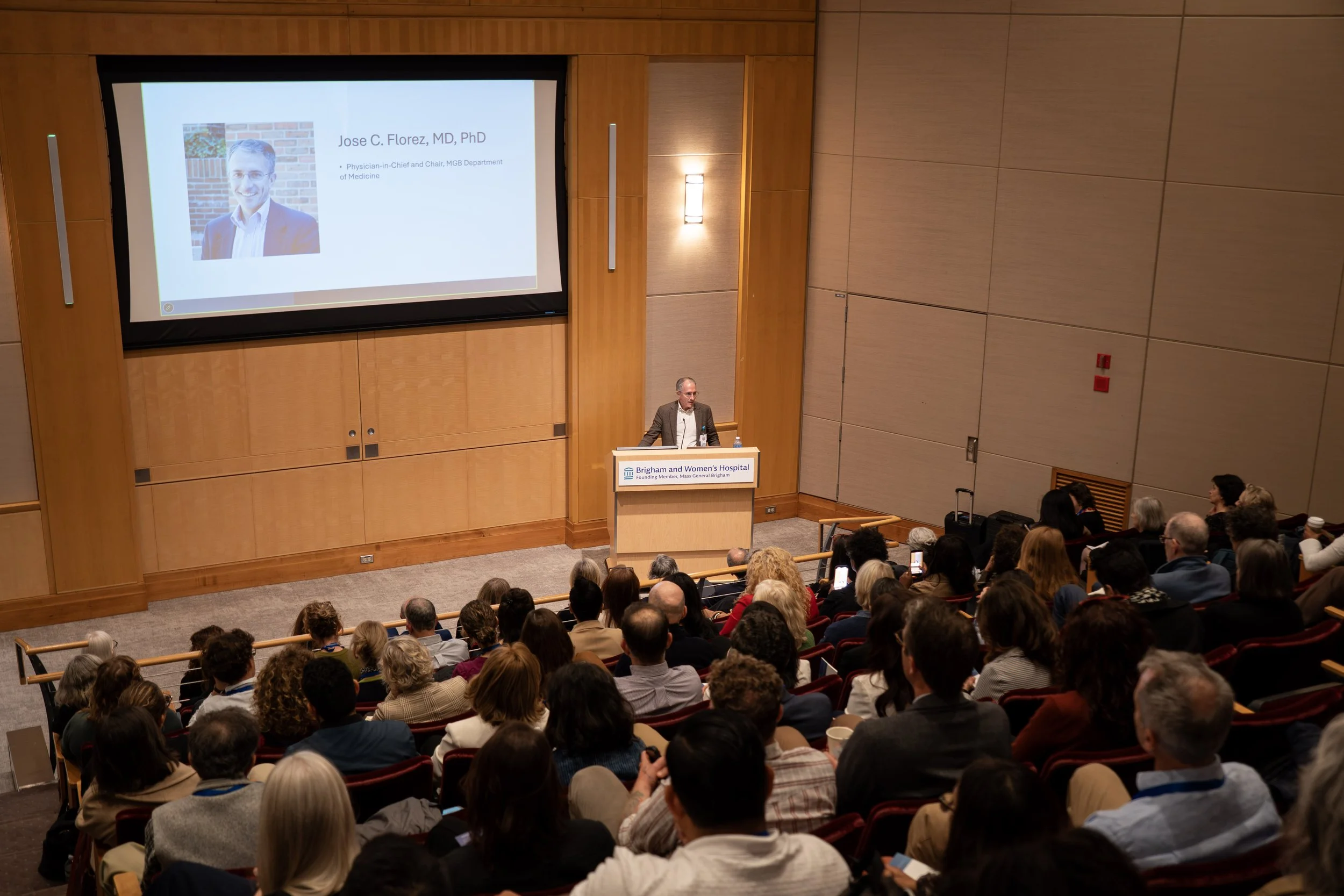
(Carly McMahon, photographer)
For those who don’t know me, I’m in Boston this year pursuing my Master of Science in Media, Medicine, and Health at Harvard Medical School. The program focuses on evidence-based healthcare storytelling through artistic mediums. I come from a professional background in healthcare PR and communications, but I have lifelong artistic passions, including creative writing and music. My dream is to combine the two in my career, and at the symposium, I was surrounded by people who get that.
Health is woven into every aspect of our lives. When we don’t have it, everything can crumble: our work, our relationships, our emotional stability. And yet health is never just an individual experience. Our histories, environments, communities, and the systems we live in shape our bodies in ways that are often overlooked. But this context is essential to understanding who gets sick and why. The relationship between our individual wellbeing and the world around us creates incredibly complex stories. Illness touches all of us, and I believe those experiences deserve a more central place in the stories that shape our art and culture. Health and embodiment hold some of the richest, most human narratives we have.
But art is not only a tool for telling stories about health and medicine. It is also a proven way to directly improve physical and mental health. That’s what the symposium was all about.
When I arrived, I was completely lost in the magnificent maze that is the Mass General Brigham hospital system. This was ironic, given that I was volunteering as a wayfinder and did not yet know my way. Once I cracked the corridors, I was met with a warm welcome from Brooke DiGiovanni Evans, Kate Milazzo, Joel Katz, Hannah Kim, and more. They’re the brilliant, hard-working group behind the event, and they also happen to be incredibly easy to get along with. They showed me the way, literally.
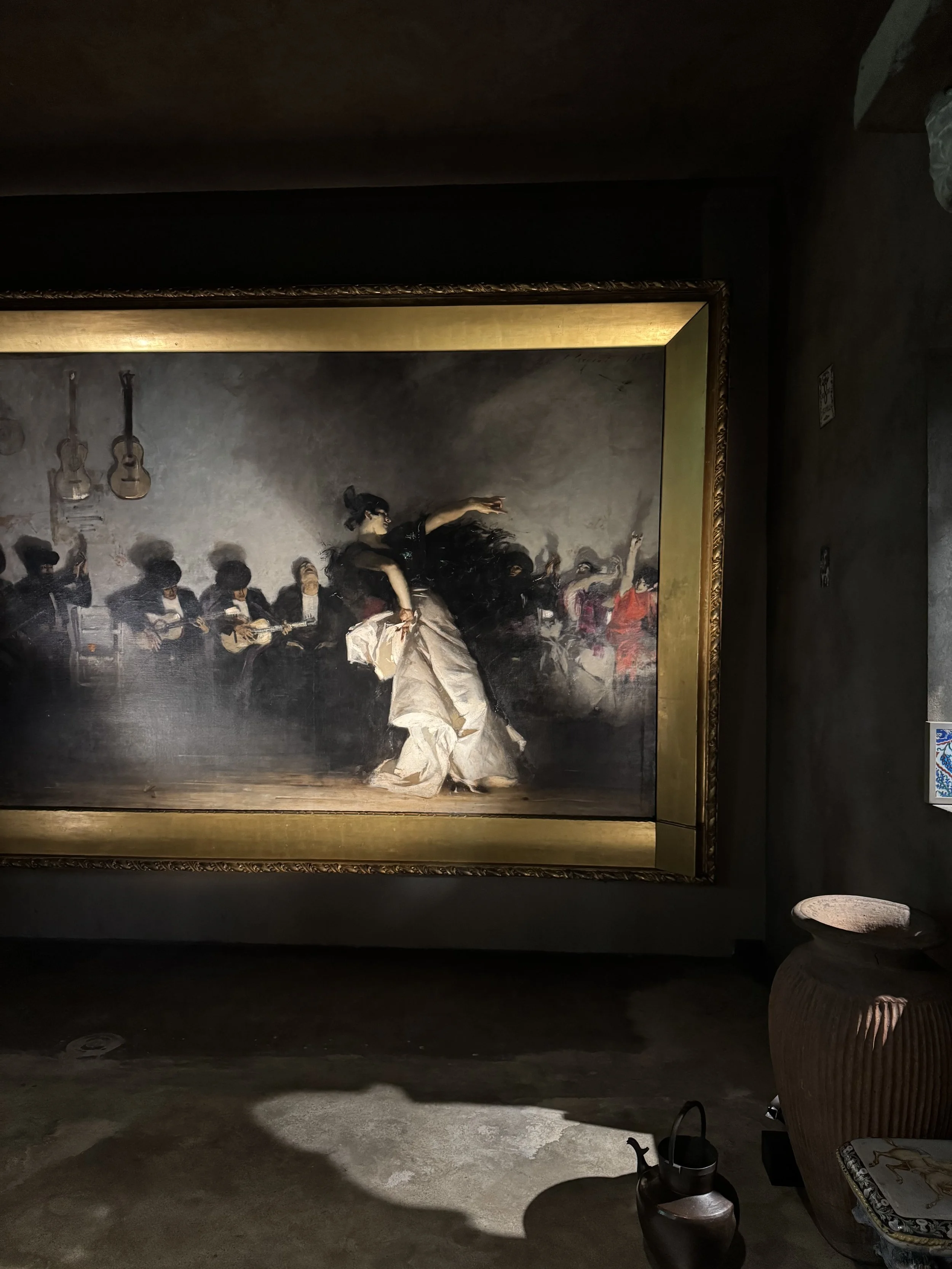
El Jaleo, John Singer Sargent, Isabella Stewart Gardner Museum (Grace Hennigan, photographer)
On the second day of the symposium, I attended Cultivating Awe for Well-being: Research-Based Pedagogy from the Art Museum Context, held at the Isabella Stewart Gardner Museum and led by Nathalie Ryan, MA, EdM, Senior Educator at the National Gallery of Art. We gathered around John Singer Sargent’s El Jaleo and went around the circle sharing three things our hands can do. We had pianists, cooks, painters, and weightlifters. Writers and bakers and movers and shakers. It was a beautifully unconventional icebreaker.
We let the painting’s beauty seep in and settle before describing what we saw. Despite being a lover of art, I hadn’t experienced such a detailed examination of a work in a long time, if ever. Everyone noticed different things. The way Sargent captured light, the facial expressions of the musicians, the direction the dancer’s hand is pointing. I found awe in the painting, in the group around me, and in myself. The experience was relaxing, yet profoundly productive.
It reminded me of something Daisy Fancourt, PhD, author of Art Cure, said in her morning keynote. On average, we spend just 28 seconds looking at art in exhibitions. We need only three or four seconds to form a basic emotional response and about 10 seconds to decide cognitively what we think. But for the experience to be meaningful, especially for our health, we need multiple minutes, if not longer, to look, think, respond, look again, and so on. I experienced this firsthand that day, and I plan to make the time for it on future museum visits. In an age of constant digital distraction, it was a timely reminder to slow down and look closely, whether at art or the world around me.
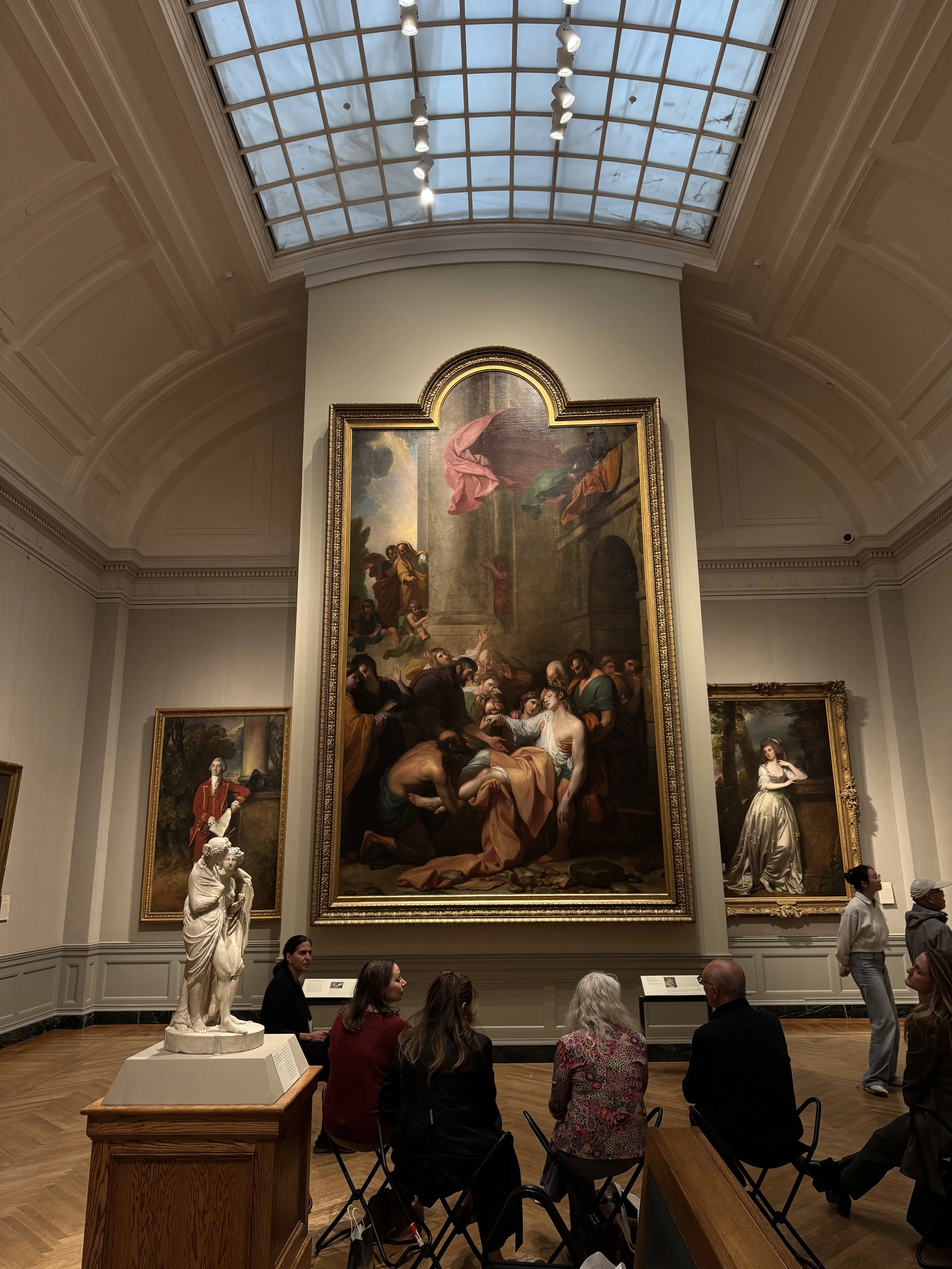
Devout Men Taking the Body of St. Stephen, Benjamin West, Museum of Fine Arts, Boston. (Grace Hennigan, photographer)
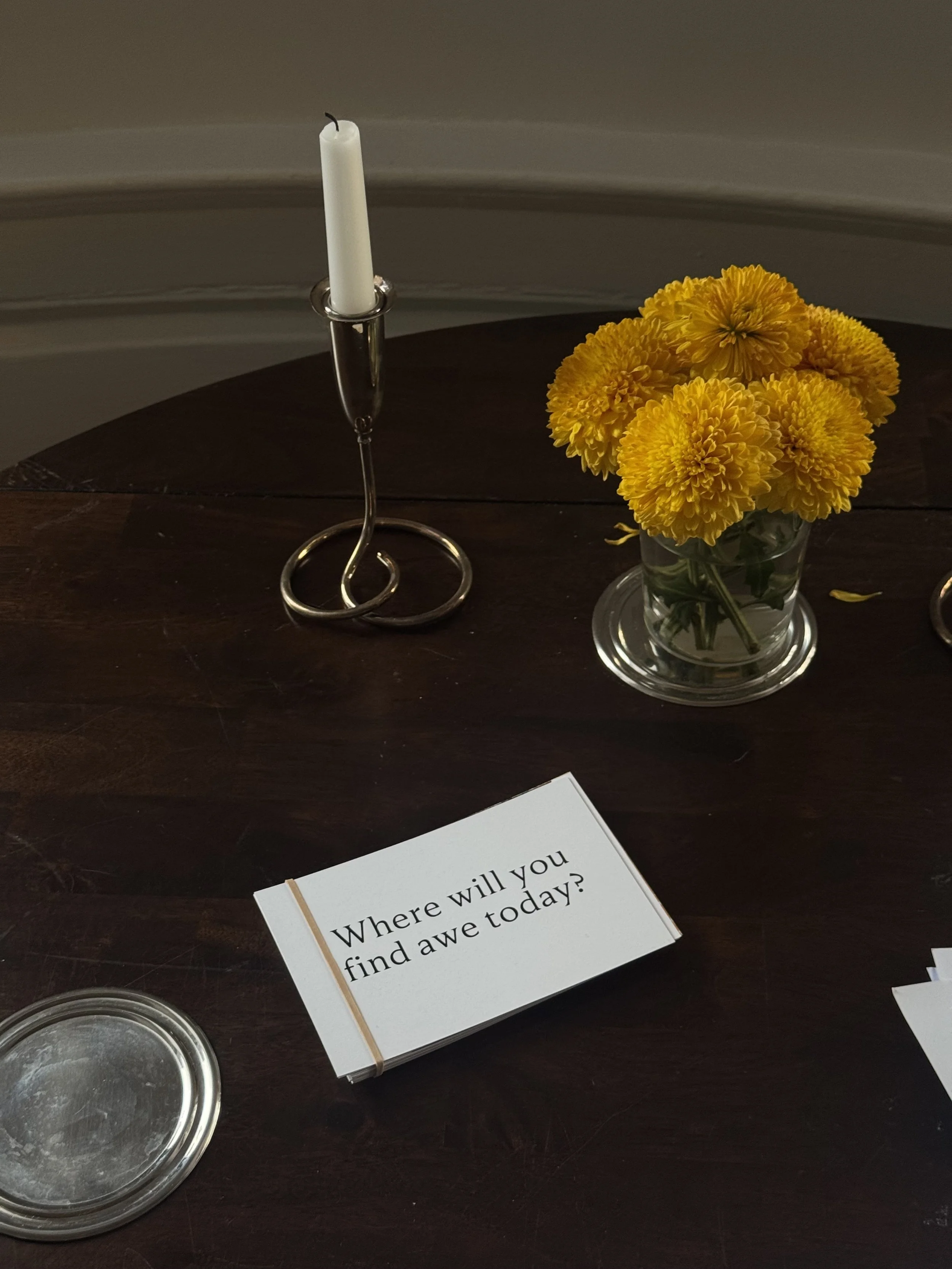
After that session, I brought awe with me to every event I attended. When I handed Dr. Vivek Murthy a water bottle and shook his hand before his keynote the next day? Awe. When I heard what he had to say about loneliness and how art is instrumental in bringing people together? Awe. When I experienced Benjamin West’s Devout Men Taking the Body of Saint Stephen during Seeing the End at the Museum of Fine Arts with Nazanin Moghbeli, MD, MPH? Awe! It found me every time I met someone new doing excellent work around the world. They were a true inspiration, giving me hope that the work I dream of doing is possible.
(Grace Hennigan, photographer)
I was humbled to be in the room with so many powerhouses in the intersecting worlds of art and healthcare. As I continue my studies, I’m carrying the awe I felt at the symposium with me, along with the many lessons I learned. It’s a privilege to witness such important, inspiring work, and I hope to maintain the connections I made for many years to come.
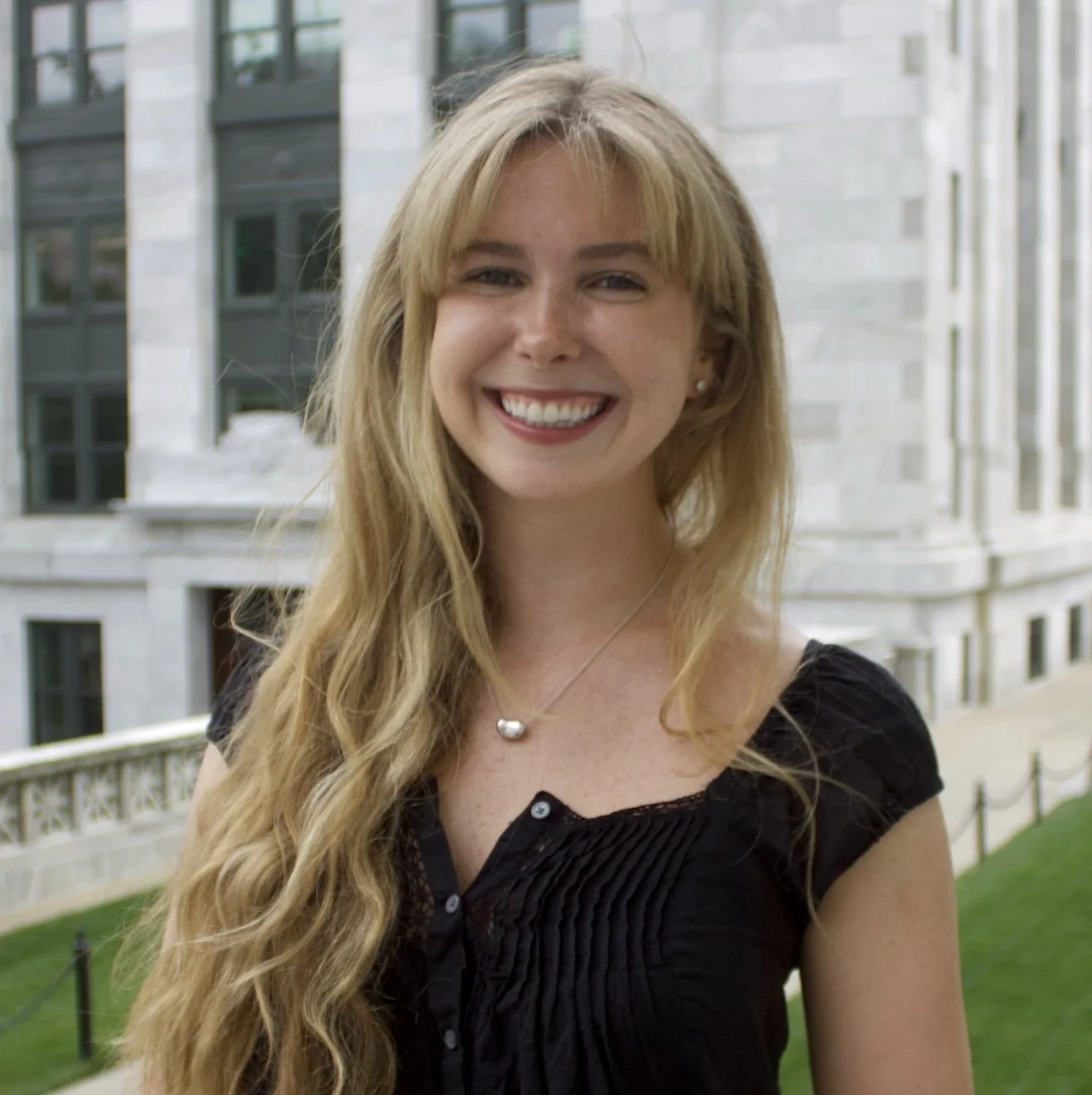
Grace Hennigan
HMS MMH Graduate Student
Visual Arts in Healthcare Volunteer